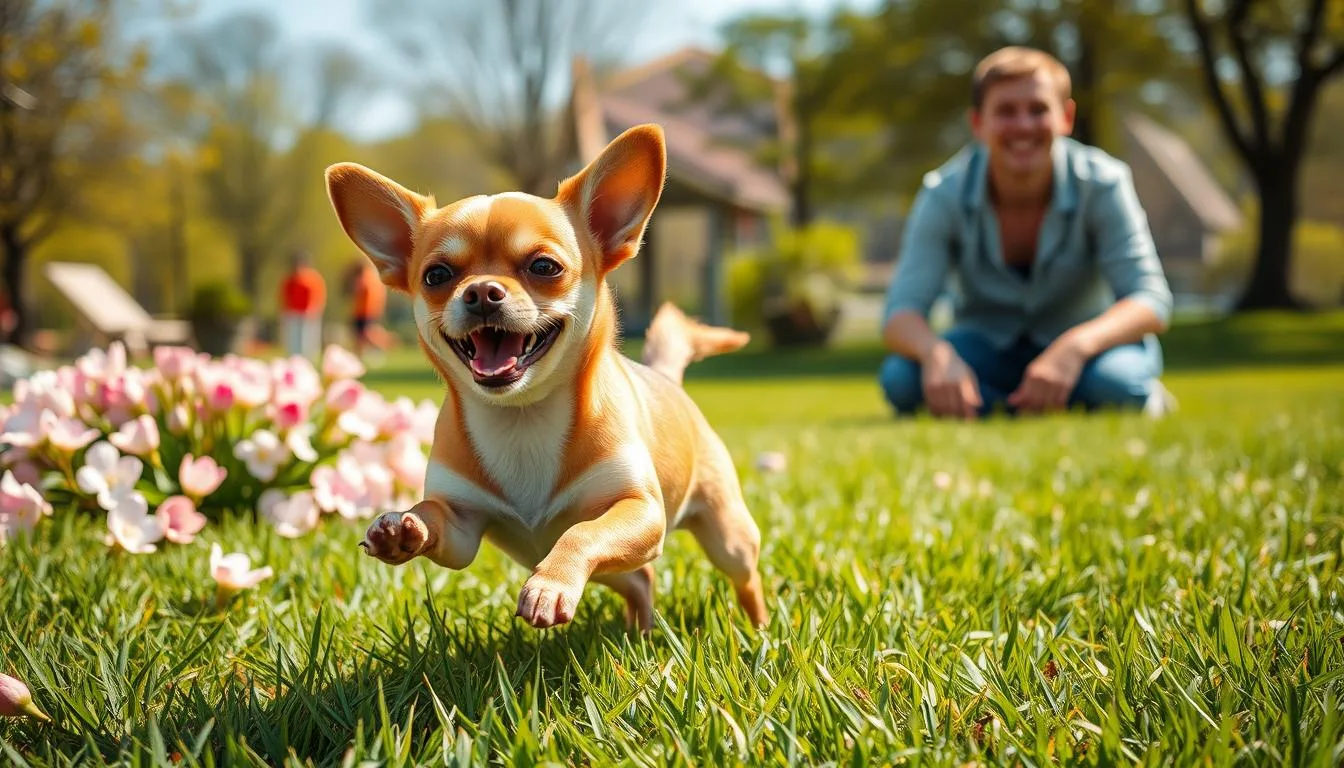
Living alone doesn’t mean you have to feel lonely. A loyal canine companion can bring joy, security, and endless moments of fun into your life. Finding the right breed that matches your energy level and daily routine is key to building a lasting bond.
This guide is designed to help you navigate the world of dog breeds, focusing on traits that make certain pups ideal for single owners. From playful Labradors to low-maintenance French Bulldogs, we’ll explore options that fit various lifestyles. Whether you’re active or prefer cozy nights in, there’s a perfect match waiting for you.
Choosing the right pet is about more than just looks. It’s about finding a furry friend whose personality complements yours. Let’s dive into the breeds that make great companions for those living solo.
Key Takeaways
- Certain breeds are better suited for single owners due to their personality and energy levels.
- Labradors and French Bulldogs are popular choices for their friendly and adaptable nature.
- Matching a dog’s traits to your lifestyle ensures a happy and healthy relationship.
- A well-chosen pet can provide companionship, security, and emotional support.
- Consider factors like exercise needs, grooming, and space when selecting a breed.
Understanding the Single Lifestyle and Dog Ownership
Owning a pet can transform the single lifestyle into one filled with purpose and joy. For those living alone, a furry friend offers companionship, security, and emotional support. However, choosing the right breed is crucial to ensure a harmonious relationship.
Single owners often have more time and attention to devote to their pets. This makes dogs an excellent choice for those seeking a loyal companion. Yet, it’s essential to consider factors like daily routines, exercise needs, and grooming requirements.
Active individuals may thrive with high-energy breeds like Labradors or Boxers. These dogs enjoy long walks and outdoor activities. On the other hand, those with a more relaxed lifestyle might prefer low-energy breeds like French Bulldogs or Chihuahuas.
Technological aids, such as GPS tracking collars, can provide peace of mind for single owners. These devices help monitor your pet’s location and ensure their safety, even when you’re away from home.
| High-Energy Breeds | Low-Energy Breeds |
|---|---|
| Labrador Retriever | French Bulldog |
| Boxer | Chihuahua |
| German Shepherd | Basset Hound |
Ultimately, matching a dog’s personality and energy level to your lifestyle ensures a happy and healthy bond. Whether you’re an active adventurer or a homebody, there’s a perfect furry friend waiting to join your life.
Identifying Your Needs and Lifestyle Considerations
Before bringing home a pet, take time to evaluate your routine and preferences. A dog’s personality and energy level should align with your daily habits to ensure a harmonious relationship. Start by assessing your schedule, available space, and activity level.
Consider your living arrangements. If you live in an apartment, smaller breeds or those with lower energy might be a better fit. Larger breeds often need more space and outdoor access. Proximity to parks or walking trails can also influence your choice.
Exercise is another key factor. High-energy breeds like Labradors or Boxers thrive with active owners who enjoy outdoor activities. On the other hand, breeds like French Bulldogs or Basset Hounds are more laid-back and require less physical activity.
Grooming and training needs vary widely among breeds. Some dogs require daily brushing, while others need minimal maintenance. Researching these requirements helps ensure you’re prepared for the long-term commitment.
| High-Energy Breeds | Low-Energy Breeds |
|---|---|
| Labrador Retriever | French Bulldog |
| Boxer | Basset Hound |
| German Shepherd | Chihuahua |
Matching a dog’s traits to your lifestyle ensures a happy and healthy bond. Whether you’re an active adventurer or prefer cozy nights in, there’s a perfect furry friend waiting to join your life.
Key Factors for Choosing a Canine Companion
Finding the right canine companion starts with understanding your own needs and lifestyle. A dog’s temperament, size, and care demands play a big role in ensuring a harmonious relationship. Whether you’re active or prefer a relaxed pace, matching these traits to your routine is essential.
Consider your living space. Smaller breeds like Chihuahuas or French Bulldogs are ideal for apartments, while larger breeds like Labradors need more room to roam. Proximity to parks or walking trails can also influence your choice, especially for high-energy breeds.
Exercise needs vary widely. Breeds like Boxers or Retrievers thrive with active owners who enjoy outdoor activities. On the other hand, Basset Hounds or Bulldogs are more laid-back and require less physical activity. Matching energy levels ensures both you and your pet stay happy.
Grooming is another key factor. Some breeds, like Poodles, need regular grooming every 3 to 6 weeks. Others, like Beagles, require minimal maintenance. Understanding these trade-offs helps you prepare for the long-term commitment of pet ownership.
Health and lifestyle compatibility are equally important. Researching breed-specific health concerns, like hip dysplasia in larger dogs, can save you from unexpected expenses. Speaking with reputable breeders or adoption centers ensures you make an informed decision.
| High-Maintenance Breeds | Low-Maintenance Breeds |
|---|---|
| Poodle | Beagle |
| Yorkshire Terrier | Basset Hound |
| Shih Tzu | Chihuahua |
Taking the time to research and evaluate these factors ensures you find the perfect furry friend. Whether you’re living alone or in a bustling city, the right canine companion can bring joy and companionship to your life.
Best Dog for Singles: What to Look for in a Breed
Choosing the right breed can make all the difference in your single life. A well-matched pet brings joy, companionship, and balance to your daily routine. When selecting a canine companion, focus on traits that align with your lifestyle and living situation.
Adaptability is key. Breeds like French Bulldogs and Chihuahuas thrive in small spaces, making them ideal for apartment living. They also handle alone time well, which is perfect for those with busy schedules. Their low-maintenance nature ensures they fit seamlessly into your routine.
Moderate exercise needs are another important factor. Breeds like Boxers and Labradors enjoy daily walks but don’t require intense activity. This makes them great for single owners who work long hours but still want an active companion.
Health and grooming requirements should also be considered. Low-shedding breeds like Poodles are easy to care for, while others may need regular grooming. Matching these needs to your lifestyle ensures a stress-free relationship.
- Look for breeds with adaptable personalities and low maintenance needs.
- Choose a pet that can handle alone time if you have a busy schedule.
- Opt for moderate exercise requirements to balance your routine.
- Consider health and grooming needs to ensure long-term compatibility.
Real-world examples illustrate these traits. A French Bulldog’s calm demeanor and minimal exercise needs make it a perfect fit for urban living. Similarly, a Labrador’s loyalty and adaptability make it a great companion for active singles. By focusing on these traits, you can find a breed that enhances your life and brings endless joy.
Top Dog Breeds for Active Singles
For active individuals, a high-energy pet can be the perfect match for an adventurous lifestyle. Breeds like Siberian Huskies and Boxers thrive on physical activity, making them ideal companions for those who love the outdoors. Their stamina and playfulness ensure they’re always ready for a hike, run, or game of fetch.
An active lifestyle is a critical factor for single owners who enjoy staying on the move. These breeds not only keep up with your pace but also motivate you to stay consistent with your exercise routine. Whether it’s a morning jog or an evening walk, they’ll be by your side, eager to explore.
Exercise requirements vary among breeds. Siberian Huskies, for example, need plenty of space to run and play. Boxers, on the other hand, are known for their boundless energy and love for interactive games. Matching their needs to your routine ensures a happy and healthy relationship.
Here’s a comparison of some popular active breeds:
| Breed | Exercise Needs | Playfulness | Sociability |
|---|---|---|---|
| Siberian Husky | High | Very playful | Friendly |
| Boxer | Moderate to High | Energetic | Outgoing |
| Labrador Retriever | High | Playful | Affectionate |
Incorporating daily physical activities benefits both you and your pet. A Labrador Retriever, for instance, loves swimming and retrieving games, while a Siberian Husky enjoys long runs in cool weather. These activities strengthen your bond and keep you both in great shape.
Choosing the right breed for your active life ensures a fulfilling companionship. Whether you’re exploring trails or enjoying a day at the park, these breeds are ready to share every adventure with you.
Ideal Breeds for Apartment Living and Urban Settings
Living in a city or apartment doesn’t mean you can’t enjoy the companionship of a furry friend. With the right breed, you can create a harmonious home in even the smallest spaces. Choosing a pet that adapts well to urban life ensures both you and your companion thrive.
One of the biggest challenges of apartment living is limited space. Breeds like French Bulldogs and Cavalier King Charles Spaniels are perfect for compact homes. They require minimal exercise and are known for their calm demeanor, making them ideal for city dwellers.
Low maintenance needs are another key factor. Breeds like Shih Tzus and Bichon Frises shed very little, reducing cleanup and making them great for allergy sufferers. Their small size and quiet nature also help them blend seamlessly into apartment life.
Here’s a comparison of breeds that excel in urban environments:
| Breed | Size | Exercise Needs | Adaptability |
|---|---|---|---|
| French Bulldog | Small | Low | High |
| Cavalier King Charles Spaniel | Small | Moderate | High |
| Shih Tzu | Small | Low | High |
| Bichon Frise | Small | Moderate | High |
Noise levels and ease of training are also important. Breeds like Italian Greyhounds and Boston Terriers are naturally quiet and adapt well to indoor living. Training them to follow routines ensures they remain well-behaved in shared spaces.
Urban dog owners can take advantage of local parks and walking trails to meet their pet’s exercise needs. Services like Dan’s Pet Care in NYC also offer dog walking, making it easier to balance a busy lifestyle with pet ownership.
By selecting a breed that fits your space and routine, you can enjoy the companionship of a loyal pet without compromising on comfort. Whether you’re in a studio or a high-rise, the right furry friend can make your apartment feel like home.
Low Maintenance Dogs for a Busy Life
Balancing a busy life doesn’t mean you can’t enjoy the love of a loyal companion. Low-maintenance breeds are perfect for single owners with hectic schedules. These pets require minimal grooming and exercise, making them easy to care for while still offering unwavering companionship.
Low-maintenance breeds often have calm temperaments, which is ideal for those with limited time for training or extended exercise routines. Their adaptability ensures they thrive even in smaller spaces, like apartments or condos. This makes them a practical choice for urban dwellers or professionals with demanding jobs.
Popular low-maintenance breeds include Basset Hounds, Chihuahuas, and French Bulldogs. Basset Hounds need only a short daily walk, while Chihuahuas are satisfied with minimal grooming and playtime. French Bulldogs, known for their easygoing nature, require little exercise and have short coats that are simple to maintain.
Here’s a comparison of some low-maintenance breeds:
| Breed | Grooming Needs | Exercise Needs | Temperament |
|---|---|---|---|
| Basset Hound | Low | Low | Calm |
| Chihuahua | Minimal | Low | Lively |
| French Bulldog | Low | Low | Easygoing |
Managing care routines around a busy schedule is easier with these breeds. Simple tasks like a daily walk or weekly brushing are often enough to keep them happy and healthy. Automatic feeders and pet cameras can also help ensure their needs are met when you’re away.
Despite their low-maintenance nature, these breeds still provide unconditional companionship and security. Whether you’re working long hours or traveling frequently, a well-chosen pet can bring joy and balance to your life.
Breeds Offering Loyalty, Protection, and Companionship
A loyal and protective pet can bring both security and emotional support to your life. For single owners, choosing a breed known for its guarding instincts and unwavering loyalty ensures peace of mind and a strong bond. These pets not only keep you safe but also enrich your daily life with their steadfast companionship.
Certain breeds excel in balancing their natural guarding instincts with affection. German Shepherds, for example, are highly intelligent and form deep connections with their owners. Their loyalty makes them ideal for roles in police, military, or service work, while their gentle nature ensures they’re loving companions at home.
Doberman Pinschers are another excellent choice. Known for their alertness and courage, they are natural protectors. Despite their strong guarding instincts, they are affectionate and thrive on human interaction. This makes them perfect for single owners seeking both security and companionship.
Here’s a comparison of breeds known for their loyalty and protective nature:
| Breed | Loyalty | Protective Instincts | Affection Level |
|---|---|---|---|
| German Shepherd | High | Strong | Moderate |
| Doberman Pinscher | High | Strong | High |
| Rottweiler | High | Strong | Moderate |
Owning a protective breed offers more than just security. These pets provide emotional support, reducing feelings of loneliness and stress. Their presence can make your home feel safer and more welcoming, especially for those living alone.
Real-life testimonials highlight the benefits of these breeds. Many single owners report feeling more confident and secure with a loyal companion by their side. Whether it’s a German Shepherd’s watchful eye or a Doberman’s alertness, these breeds bring both protection and joy to your life.
- German Shepherds are intelligent, loyal, and versatile protectors.
- Doberman Pinschers combine alertness with affectionate companionship.
- Rottweilers are strong, loyal, and naturally protective.
- These breeds enhance security while offering emotional support.
- Single owners benefit from their unwavering loyalty and companionship.
Choosing a breed with these traits ensures a fulfilling relationship. Whether you’re seeking security or a loyal companion, these breeds are ready to enrich your life with their steadfast presence.
Adopting Versus Buying: Making an Informed Choice
Deciding between adoption and buying is a significant step in finding your perfect companion. Both options have unique benefits and challenges, so understanding the differences helps you make a responsible choice. Whether you’re drawn to the idea of giving a shelter dog a second chance or prefer the predictability of a breeder, careful consideration ensures a happy future for your pet.
Adopting a dog from a shelter is often more affordable and supports ethical pet ownership. Many shelter dogs come from accidental litters or puppy mills, and adopting them gives them a loving home. However, their history may be unknown, which can lead to unexpected behavioral or health issues. Thorough research and patience are key to ensuring a good match.
Buying from a reputable breeder offers predictability in terms of health and temperament. Responsible breeders conduct health testing for conditions like hip dysplasia and heart issues, ensuring a healthier pet. They also provide early socialization, which helps puppies adapt to new environments. However, buying can be costly, and it’s crucial to avoid unethical breeders or puppy mills.
| Adoption | Buying |
|---|---|
| Lower cost | Higher cost |
| Supports ethical pet ownership | Predictable health and temperament |
| Unknown history | Early socialization |
| Gives a shelter dog a second chance | Health testing ensures fewer issues |
Regardless of your choice, responsible decision-making is essential. Avoid supporting puppy mills by researching breeders thoroughly. Look for members of reputable associations like the Goldendoodle Association of North America (GANA), who adhere to strict health testing protocols. Adoption centers should also conduct behavioral assessments to ensure a good fit.
Long-term commitment and care are vital for any pet. Whether you adopt or buy, your furry friend will rely on you for love, security, and a happy life. By making an informed choice, you ensure a fulfilling relationship with your new companion.
Preparing Your Home for Your New Canine Friend
Welcoming a new furry friend into your home requires thoughtful preparation to ensure a smooth transition. A well-prepared space not only keeps your pet safe but also helps them adjust quickly and feel comfortable in their new environment. Start by gathering essential supplies and creating a designated area for your companion.
Every new pet owner should have the basics ready. Items like a bed, food and water bowls, toys, and grooming tools are essential. These supplies ensure your furry friend feels at home from day one. Providing a variety of toys can also prevent boredom and destructive behavior.
Dog-proofing your home is crucial to prevent accidents and injuries. Secure loose wires, remove toxic plants, and store household chemicals out of reach. These steps create a safe environment for your pet to explore without risk. Additionally, check for gaps in fencing or gates to prevent escapes.
Setting up a comfortable space is equally important. A crate or designated corner can serve as your pet’s personal retreat. This area should be cozy, quiet, and equipped with their bed and favorite toys. It provides a sense of security and helps them adjust to their new surroundings.
Here’s a checklist of essential supplies for your new companion:
| Item | Purpose |
|---|---|
| Bed | Provides a comfortable resting space |
| Food and Water Bowls | Ensures access to fresh meals and hydration |
| Toys | Keeps your pet entertained and engaged |
| Grooming Tools | Helps maintain hygiene and coat health |
Preparing for your dog’s first arrival involves more than just supplies. Establish a routine for feeding, walks, and playtime to help them settle in. Consistency is key to building trust and ensuring a smooth adjustment period. A calm and structured environment will make your pet feel secure.
By taking these steps, you create a welcoming space for your new companion. A well-prepared home not only enhances their well-being but also strengthens the bond between you and your furry friend. With the right preparation, you’ll both enjoy a happy and harmonious life together.
Training and Socialization Techniques
Socialization and training are essential for building a confident and well-behaved pet. Starting early helps your furry friend adapt to new environments and experiences, ensuring they grow into a happy and balanced companion.
Establishing routines and basic obedience training from a young age is crucial. Commands like “Come,” “Stay,” and “Sit” not only ensure safety but also strengthen the bond between you and your pet. Consistency is key to helping them understand expectations and feel secure.
Socialization with other dogs and people prevents behavioral issues like fear or aggression. Exposing your pet to different environments, sounds, and situations during their critical socialization period (7 weeks to 4 months) builds their confidence. Repetition helps reinforce these positive experiences.
Positive reinforcement is a powerful tool in training. Rewarding good behavior with treats or praise encourages your pet to repeat those actions. Avoid punishment, as it can lead to anxiety and hinder progress. Instead, focus on patience and encouragement.
For busy owners, structured training classes or doggy daycare can be invaluable. These settings provide controlled environments for socialization and professional guidance. Regular attendance helps maintain your pet’s skills and keeps them engaged.
Common training challenges, like leash pulling or excessive barking, can be addressed with proven strategies. For example, redirecting attention or using clicker training can effectively modify behavior. Patience and persistence are essential for success.
- Start training early to build confidence and good habits.
- Use positive reinforcement to encourage desired behaviors.
- Expose your pet to diverse environments and experiences.
- Consider structured classes or daycare for additional support.
- Address challenges with patience and consistent strategies.
Consistent training and socialization create a trusting relationship between you and your pet. By investing time and effort, you ensure a happy, well-adjusted companion who enriches your life every day.
Healthcare, Grooming, and Exercise Essentials
Keeping your pet healthy and happy requires a combination of regular care, grooming, and exercise. These foundational elements ensure your furry friend thrives and enjoys a long, fulfilling life. By understanding their specific needs, you can create a routine that works for both of you.
Regular veterinary check-ups are crucial for maintaining your pet’s health. Schedule visits once or twice a year to monitor their well-being and keep vaccinations up to date. Preventative care, like heartworm prevention, can save you from costly treatments down the line. Early detection of health issues ensures timely intervention and better outcomes.

Grooming needs vary depending on the breed. Short-haired dogs may only need brushing once a week, while long-haired breeds require daily attention. Bathing frequency also differs—short-haired breeds can go 1-3 months between baths, while longer coats may need monthly washing. Regular nail trimming and dental care, like brushing their teeth 3 times a week, are equally important.
Exercise is vital for physical and mental health. High-energy breeds like Labradors need at least an hour of activity daily, while smaller breeds may thrive with 30 minutes. Tailor the routine to your schedule and your pet’s energy level. Activities like walks, fetch, or interactive games keep them engaged and fit.
Monitoring your pet’s health goes beyond vet visits. Watch for changes in behavior, appetite, or energy levels. Regular physical assessments, like checking their coat and weight, help you spot potential issues early. A healthy diet and fresh water daily are also key to their well-being.
Managing pet care on a budget is possible without compromising quality. Look for affordable grooming tools, buy food in bulk, and take advantage of low-cost vaccination clinics. Investing in preventative care saves money in the long run and ensures your pet stays healthy.
| Breed Type | Grooming Needs | Exercise Requirements |
|---|---|---|
| Short-Haired | Brushing once a week, baths every 1-3 months | 30 minutes to 1 hour daily |
| Long-Haired | Daily brushing, monthly baths | 1-2 hours daily |
| Low-Energy | Minimal grooming | 30 minutes daily |
Proper health and grooming routines are essential for a happy and healthy pet. By prioritizing these aspects, you ensure your companion enjoys a vibrant life and a strong bond with you. Whether it’s a quick walk or a grooming session, these moments strengthen your connection and enhance their well-being.
Matching Personality and Energy for the Perfect Companion
Finding a pet that matches your energy and personality can transform your daily life. A well-matched companion brings joy, balance, and a sense of fulfillment. Understanding your lifestyle and preferences is the first step to ensuring a harmonious relationship with your furry friend.
Personality traits play a significant role in compatibility. For example, German Shepherds are loyal and protective, making them ideal for active individuals who enjoy outdoor adventures. On the other hand, Shih Tzus are low-energy and thrive in indoor settings, perfect for those with a more relaxed routine.
Energy levels are equally important. High-energy breeds like Border Collies excel in agility and mental challenges, making them great for active singles. In contrast, French Bulldogs require minimal exercise and adapt well to urban living. Aligning your pet’s energy with your daily routine ensures both of you stay happy and healthy.
Here’s how to assess your lifestyle and choose the right companion:
- Evaluate your activity level and daily schedule.
- Consider your living space and proximity to outdoor areas.
- Observe a dog’s behavior during initial interactions and training.
- Research breed-specific traits to find a good match.
Early observation is crucial. Pay attention to how a dog responds to new environments and people. This helps you gauge their adaptability and temperament. A well-matched pet not only enhances your life but also thrives in your care.
By focusing on compatibility, you create a stress-free and fulfilling relationship. Whether you’re an adventurer or a homebody, the right pet can bring endless joy and companionship to your life.
Conclusion
Adding a furry companion to your life can bring immense joy and fulfillment. Choosing the right breed is essential to ensure a harmonious relationship that complements your lifestyle. Whether you’re active or prefer a relaxed pace, matching energy levels and personality traits creates a bond that benefits both you and your pet.
Thorough research and preparation are key to responsible ownership. Consider factors like exercise needs, grooming, and space to find a breed that fits seamlessly into your routine. A well-chosen companion not only provides loyalty and security but also enriches your daily life with unconditional love.
Remember, training, grooming, and healthcare are vital for a happy and healthy pet. Take your time to make an informed decision, and you’ll enjoy the rewarding experience of sharing your life with a loyal friend. Responsible ownership ensures a lasting bond and countless moments of joy.
FAQ
What are some great breeds for someone living alone?
How do I know if a breed fits my lifestyle?
What should I look for in a breed as a single person?
Are there low-maintenance breeds for busy individuals?
Should I adopt or buy a dog?
How do I prepare my home for a new pet?
What are the key training tips for a new dog?
How important is grooming and exercise for my dog?
How do I match a dog’s personality to mine?
What are the health considerations when choosing a breed?
Source Links
- 16 Dog Breeds That Are Great For People Living The Single Life – https://iheartdogs.com/the-top-15-dog-breeds-for-singles/
- Top Dog Breeds as Solo Pets – https://www.petplace.com/article/dogs/pet-care/top-dog-breeds-as-solo-pets
- Best Dog Breeds for Humans Living the Single Life – https://furbo.com/blog/en/article/best-dog-breeds-for-humans-living-the-single-life
- You’re single and you have a dog. How do you make that work? – https://ask.metafilter.com/377274/Youre-single-and-you-have-a-dog-How-do-you-make-that-work
- Advice for the Single Dog Owner – https://be.chewy.com/advice-for-the-single-dog-owner/
- How to Choose a Dog Breed Based on Your Lifestyle – https://www.wisdompanel.com/en-us/blog/best-dog-breed
- Selecting a Pet Dog – https://www.avma.org/resources/pet-owners/petcare/selecting-pet-dog
- Tips for Choosing the Best Dog Breed for Your Lifestyle | Beverly Hills Veterinary Associates – https://www.beverlyhillsvets.com/blog/tips-for-choosing-the-best-dog-breed-for-your-lifestyle/
- Factors to Consider in Pet Selection – Dogs | VCA Animal Hospitals – https://vcahospitals.com/know-your-pet/factors-to-consider-in-pet-selection—dogs
- The Ultimate Guide to Choosing the Perfect Dog Breed for Your Lifestyle – https://www.naturalfarmpet.com/blogs/all/choosing-dog-breed-for-your-lifestyle?srsltid=AfmBOoodWJAZjw1n9yH2z3lAeoVcLWa5zwNFb9qBhiRc-sO6gpBEVbtS
- The Ultimate Guide to Choosing the Right Canine Companion for Your Family – https://www.offthemrkt.com/lifestyle/the-ultimate-guide-to-choosing-the-right-canine-companion-for-your-family
- 21 Great Dog Breeds For Apartments | Highland Canine Training – https://highlandcanine.com/blog/best-dog-breeds-for-apartments/
- The Best Dog Breeds for Families & Children | Purina – https://www.purina.co.uk/find-a-pet/articles/dog-types/breed-guides/best-dog-breeds-for-families
- 10 Best Dog Breeds For Singles – https://be.chewy.com/behavior-breeds-10-best-dog-breeds-for-singles/
- Top 9 Dog Breeds for Singles – https://iheartdogs.com/top-dog-breeds-for-singles/
- The 26 Best Dogs for Apartments and Small Spaces – https://www.dailypaws.com/living-with-pets/pet-compatibility/best-apartment-dogs
- 11 Best Apartment Dogs: Breeds for City Living — Dan’s Pet Care – https://danspetcare.com/pets/11-best-apartment-dogs-breeds-for-city-living
- Top Dog Breeds for Apartment Living and Small Spaces in 2024 – https://prideandgroom.com/blogs/news/dog-breeds-for-apartment-and-small-spaces?srsltid=AfmBOooPOiwxRSDe_4-C33rQpNQwIrXnJedsWg-G72fKWl74B6CKzdoI
- 27 Low-Maintenance Dog Breeds for First Time Owners – https://www.purewow.com/family/low-maintenance-dog-breeds
- 10 Dog Breeds for Busy Owners – Sidewalk Dog – https://www.sidewalkdog.com/breeds-for-busy-owners/
- 10 Dog Breeds Known for Their Loyalty to One Person – https://pawdown.com/10-dog-breeds-known-for-their-loyalty-to-one-person/
- Best Guard Dog Breeds to Keep Your Family Safe – https://www.countryliving.com/life/kids-pets/g39559653/best-guard-dogs/
- Best Dog Breeds for Home and Family Protection | Blog | Gold Coast K9 – https://goldcoastk9.com/best-dog-breeds-for-home-family-protection/
- “Adopt Don’t Shop” vs. Responsible Dog Breeding — Wag Out Loud – https://www.wagoutloud.com/podcast/2023/6/24/adopt-dont-shop-vs-responsible-dog-breeding
- Adopt Vs Shop: The Simplified What To Do When Getting A Dog Or Puppy – Rebarkable – https://rebarkable.com/adopt-vs-shop-when-getting-dog-puppy/
- Bringing a New Dog Home: What to Know – https://bestfriends.org/pet-care-resources/bringing-new-dog-home-what-know
- 5 Steps to Introduce a New Dog into Your Home – https://enzosacres.com/5-steps-to-introduce-a-new-dog-into-your-home/
- How to bring your new dog home and make them feel welcome – https://www.humanesociety.org/resources/how-make-your-new-dog-feel-comfortable-your-home
- How to Socialize an Adult Dog and Why It’s Never Too Late – https://www.houndslounge.com/blog/how-to-socialize-an-adult-dog-and-why-its-never-too-late/
- Confident Canine: Why Training and Socialization Matters for all Dogs – https://www.myarlingtonvet.com/blog/training-and-socialization/
- Routine Dog Care for Health & Well-Being [Vet-Approved Guide] – https://www.splootvets.com/post/routine-care-for-dogs-your-complete-guide-to-amazing-dog-care
- The Ultimate First-Time Dog Owner Checklist – https://www.houndslounge.com/blog/first-time-dog-owner-checklist/
- Types of Dog Breeds and Their Personalities: Find Your Perfect Match – https://petnpet.us/blogs/news/types-of-dog-breeds-and-their-personalities-find-your-perfect-match?srsltid=AfmBOoo8vdqiFLRS4It2r2CZ8Sh6ulbMnabtOtet2re-6XnRxYchc_oP
- Top 12 Dog Breeds For Singles – https://iheartdogs.com/top-companion-dog-breeds-for-singles/
- 7 Best Dog Breeds For A Single Man – https://worldanimalfoundation.org/dogs/top-dog-breeds-for-lone-man/
- Top 12 Dog Breeds for Singles – https://iheartdogs.com/top-dog-breeds-for-singles-2/