House training a puppy is a key step in a happy pet relationship. It’s about teaching your puppy to go potty in the right place at the right time. This guide will show you how to do it easily and effectively.
Starting house training early brings many benefits. A well-trained puppy means a cleaner home, less stress, and a stronger bond with your pet. We’ll explore simple methods to make house training a breeze.
Key Takeaways
- Establishing a consistent house training routine is key for success.
- Knowing when your puppy will be ready helps manage your expectations.
- A good potty schedule makes things easier.
- Positive reinforcement encourages good behavior in your puppy.
- Effective crate training is a big help in house training.
Understanding the Basics of House Training a Puppy
House training a puppy needs patience, dedication, and the right approach. Learning the basics helps your puppy use the right potty areas. This makes the training easier for both of you.
The Importance of Consistency
Consistency is key in training a puppy. A regular routine helps your puppy know when and where to go. Always use the same spot for potty breaks and commands to teach good behavior.
Also, a consistent feeding schedule helps predict when your puppy needs to go.
How Long Does House Training Take?
The time it takes to house train a puppy varies. It depends on the breed, age, and personality of your puppy. Generally, it can take weeks to months.
Several factors affect this timeline:
- The puppy’s age and past training
- How consistent you are in training
- The type and frequency of positive reinforcement
Knowing these factors helps you stay patient. Remember, mastering puppy housebreaking basics takes time.
Establishing a Puppy Potty Training Routine
Training your puppy to follow a potty schedule makes housebreaking easier and less stressful. A structured schedule helps prevent accidents and encourages good habits.
Creating a Puppy Potty Schedule
It’s key to have a clear and consistent potty schedule for your puppy. Puppies need to go after eating, drinking, playing, and waking up. To create a good schedule, take your puppy out:
- First thing in the morning
- After each meal and nap
- Before bedtime
- Every 30 to 60 minutes during playtime
Recognizing Potty Cues in Puppies
Knowing when your puppy needs to go is vital for successful house training. Look for these signs that your puppy needs to potty:
- Sniffing around excessively
- Circling or pacing
- Whining or scratching at the door
- Sudden behavioral changes during play
By spotting these cues, you can quickly take your puppy to their potty spot. This reinforces a positive routine and helps with consistent house training.
Effective Crate Training Techniques for Puppies
Crate training is a great way to house train puppies. It uses their natural instinct to den. This method helps manage their behavior and gives them a safe place to relax. It’s important to pick the right crate and introduce it properly.
Choosing the Right Crate
Finding the perfect dog crate is key to successful training. Look for crates that are comfy and safe. They should be big enough for your puppy to move around but not too big.
Crates can be made of plastic, wire, or fabric. Each has its own benefits and drawbacks. Choose one that fits your puppy’s needs best.
Introducing Your Puppy to the Crate
Begin by making the crate a cozy spot. Add soft bedding and treats to make it inviting. Slowly increase the time your puppy spends in it with positive rewards.
Never push your puppy into the crate. It should be a positive space for them. With time and patience, the crate will be a valuable tool in your training.
Common Mistakes in Housebreaking a New Puppy
Housebreaking a puppy can be tough. Many new pet owners make common mistakes. Knowing these mistakes and using the right strategies is key to success.[fusion_youtube id=”https://www.youtube.com/watch?v=MVGx3dwIpm4″ alignment=”” width=”” height=”” start_time=”” end_time=”” autoplay=”false” mute=”false” loop=”false” controls=”true” api_params=”” title_attribute=”” video_facade=”” thumbnail_size=”auto” margin_top=”” margin_bottom=”” hide_on_mobile=”small-visibility,medium-visibility,large-visibility” class=”” css_id=”” structured_data=”off” video_upload_date=”” video_duration=”” video_title=”” video_desc=””][/fusion_youtube]
Using Positive Reinforcement
Positive reinforcement is a must in puppy training. Rewarding puppies for good behavior encourages them to do it again. Treats, praise, or playtime are great rewards.
If you want your puppy to learn quickly, never underestimate the power of a treat or enthusiastic “good job”!
Patience and consistency are vital. Training a puppy with kindness creates a positive learning space. It also builds trust between you and your pet.
Avoiding Punishments
Punishing your puppy for accidents is a big mistake. It can make them fearful and anxious. This hinders their learning. Instead, redirect them to the right spot and reward them.
House training a puppy with kindness means being patient. Accidents will happen. Puppies don’t learn fast, and harsh punishment can slow them down.
Avoiding common mistakes and using positive reinforcement helps. You can house train your puppy successfully. This way, you’ll have a happy, confident, and well-mannered pet.
Puppy Training Tips for Indoor and Outdoor Success
Training a puppy can be tricky, depending on where you live. Whether you have a big house or a small apartment, it’s important to adjust your training methods. This section will give you tips for training your puppy indoors and outdoors.
Indoor Potty Solutions
If you live in an apartment or don’t have easy outdoor access, indoor potty training for puppies is a good option. Here are some key strategies:
- Use puppy pads in different spots around your home.
- Set up a special potty area in a quiet spot.
- Try an indoor potty system, like artificial grass or a puppy litter box.
Being consistent is key to teaching your puppy where to go potty. Reward them every time they use the right spot. This will help them learn faster.
Outdoor Potty Solutions
If you have a yard or outdoor space, outdoor house training methods work well too. Begin by:
- Choosing a specific spot in your yard for your puppy to go potty.
- Taking them out often, after meals and naps.
- Using a consistent command to signal potty time.
Good communication with your puppy is vital. Guide them to the same spot and praise them right after. This will help them learn where to go potty.
Whether you choose indoor potty training for puppies or outdoor house training methods, success comes from patience, consistency, and positive feedback. Adjust these puppy potty training tips to fit your home and you’ll help your puppy develop good habits for life.
Understanding Puppy Toilet Training Tools
Puppy toilet training products have evolved a lot. They help pet owners make house training easier. Using the right tools can make training more efficient and effective.
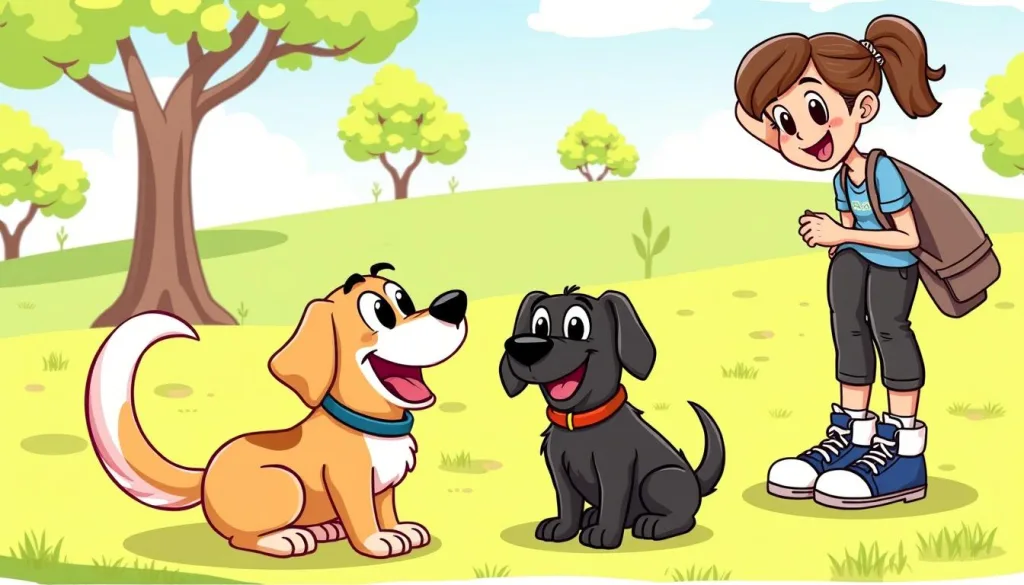
Potty pads and artificial grass are top choices for puppy training. They give your puppy a place to go inside, avoiding messes elsewhere. These tools help both the puppy and the owner learn faster.
Enzyme cleaners are also key. They remove smells that might draw your puppy back to the same spot. Cleaning well helps stop accidents and teaches your puppy good habits.
Here’s a list of important puppy toilet training products:
- Potty Pads: Great for small spaces or bad weather.
- Artificial Grass: Looks like real grass and is perfect for small areas.
- Enzyme Cleaners: Remove tough smells and stains.
- Potty Bells: Teach your puppy to signal when they need to go outside.
Knowing when to use these tools is important. Potty pads and artificial grass are good at first or for puppies with no outdoor access. But, moving to outdoor potty spots is better as your puppy gets older.
Choosing the right tools depends on your home and training goals. Using these tools can help your puppy learn to go potty outside successfully.
Dealing with Accidents: What to Do?
House training is a big part of raising a puppy. Puppies, like kids, learn slowly. Accidents are a normal part of this learning. Knowing how to handle them is key to your puppy’s training.
Cleaning Techniques to Remove Odors
Accidents are a part of house training. But how you clean them up is important. Using the right cleaning methods removes stains and odors well.
This keeps your home smelling good. It also stops your puppy from going there again. Use enzyme-based cleaners to get rid of smells. Items like vinegar and baking soda can help too. But for the best results, use products like Nature’s Miracle or Rocco & Roxie’s Stain and Odor Eliminator.
Reinforcing Positive Behavior
Positive reinforcement is key to house training. Don’t scold your puppy for accidents. This can make them anxious and slow their learning.
Instead, praise and reward them when they go to the right spot. This encourages good behavior. A routine and patience are important. With consistency and love, your puppy will learn well.
How to Potty Train a Puppy During Different Seasons
Potty training a puppy is tough when the weather changes a lot. It’s key to adjust house training to the weather to keep training on track all year. Here are tips for managing puppy potty training through all seasons.
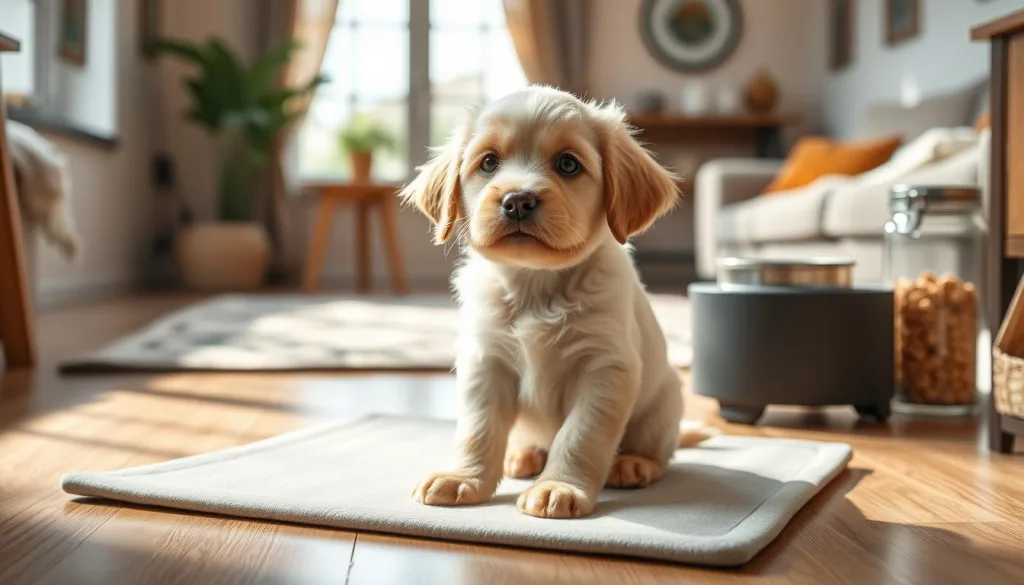
Winter: Cold and snowy weather makes it hard for puppies to go outside. To help:
- Shovel a path for your pup.
- Use puppy pads indoors when it’s too cold.
- Dress your puppy in a warm coat for outdoor trips.
Spring: Rainy days make house training hard. Make sure to:
- Choose a covered spot for your puppy to go.
- Keep a towel by the door to clean your pup.
- Train your puppy to go quickly with a consistent command.
Summer: Hot weather needs special care:
- Take your puppy out when it’s cooler, like early morning or late evening.
- Provide lots of water and shade outside.
- Watch out for hot pavements that can hurt your puppy’s paws.
Autumn: Cooler, breezy weather is nice, but:
- Watch for distractions like falling leaves and new smells.
- Keep a regular schedule for training.
- Be ready for rain with towels and indoor spots.
By adjusting house training to the weather, you can manage puppy potty training all year. These tips help your puppy stay on track, no matter the season.
Conclusion
Mastering puppy housebreaking is a journey that needs dedication, patience, and consistency. We’ve looked at key strategies for potty training success. These include setting a routine, recognizing your puppy’s cues, and using crate training.
Getting house training right is tough, but it’s key to use positive reinforcement and avoid punishment. A structured potty schedule and watching out for common mistakes help your puppy learn faster.
Accidents will happen, but the right cleaning and positive reinforcement help your puppy learn. Your hard work and commitment will not only train your puppy but also strengthen your bond. Stay determined and follow these steps for a happy, well-adjusted pet.