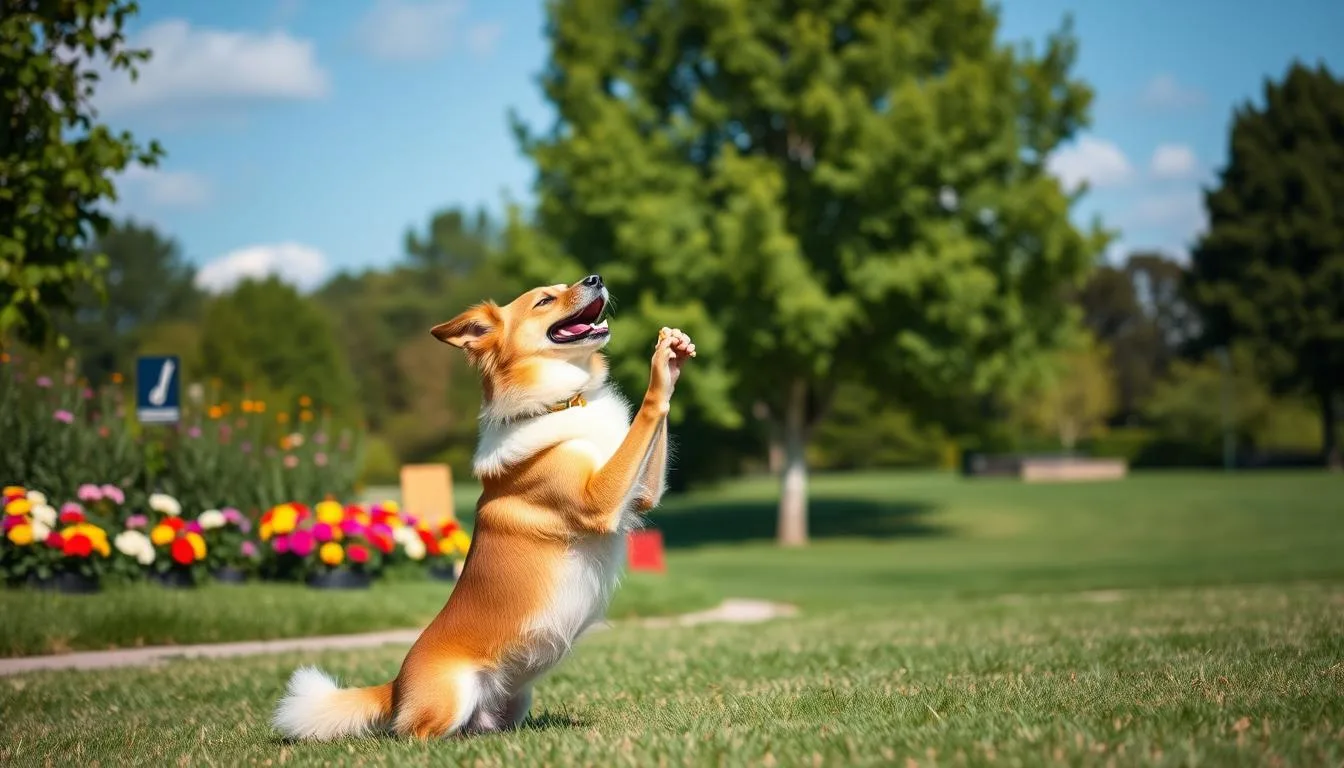
Positive reinforcement is a key method in dog training. It rewards good behavior instead of punishing bad ones. This approach is very effective in training dogs, teaching puppies, and changing their behavior. It helps dog owners build a strong bond with their pets, making them well-behaved family members.
In dog training, positive reinforcement is widely used. It covers many commands and behaviors. Studies show dogs love food rewards more than praise or petting. With the right method, positive reinforcement can teach dogs new tricks and fix bad habits. It’s a must-have for any dog training or puppy obedience program.
Key Takeaways
- Positive reinforcement is a highly effective method for dog training and puppy obedience training.
- Food is the most effective reward for dog training, leading to better training outcomes compared to non-food rewards.
- Correct timing is essential for effective positive reinforcement, with rewards occurring immediately after the desired behavior.
- Consistency is key, with all family members using the same verbal cues to avoid dog confusion.
- Positive reinforcement can be used to teach a wide range of behaviors, from basic obedience commands to complex tasks, making it a valuable tool for any dog owner.
- Positive reinforcement training can help prevent unwanted behaviors, such as door-darting, and create a strong bond between dog and owner.
- With the right approach, positive reinforcement can be a powerful tool for teaching dogs new behaviors and correcting undesired ones, making it an essential part of any dog training program.
Understanding the Canine Mind: A Scientific Perspective
Dog psychology is key to understanding canine behavior. It’s vital for effective training. Dogs show complex thinking, like solving problems and feeling emotions. They can even read human emotions better than 70% of the time.
Canine behavior comes from both genes and environment. Genes and environment mix to shape a dog’s behavior. About 40% of behavior differences come from genes, helping tailor training to each breed.
Training methods include positive reinforcement, negative reinforcement, and punishment. Positive reinforcement adds something good after a good behavior. This method boosts learning in dogs, with some studies showing up to 80% retention.
By understanding dog psychology and behavior, trainers can use positive reinforcement. This approach makes training better and strengthens the bond between dogs and their owners.
- Positive reinforcement training techniques increase learning retention in dogs
- Genetic predispositions account for about 40% of behavioral differences among dog breeds
- Dogs exhibit complex cognitive abilities, including problem-solving and emotional intelligence
The Science Behind Positive Reinforcement in Dog Training
Positive reinforcement is a key dog training method. It rewards good behavior to make it happen more often. Over 75% of dog trainers use it as their main training method.
This method strengthens the bond between dog and owner. Studies show a 50% increase in bond strength when dogs are rewarded for good behavior.
Dogs trained with positive reinforcement do better than those trained with punishment. They complete tasks 30-40% more often. This is because positive reinforcement builds trust and reduces fear.
Some benefits of positive reinforcement include:
- Increased task completion rates
- Improved dog-owner relationships
- Reduced fear-based responses
- Increased willingness to engage in learning activities
Rewards like treats, praise, and play are essential in positive reinforcement. The sooner the reward comes after the behavior, the better it works. It’s also important that all caregivers use the same commands and rewards.
Using positive reinforcement makes dog training fun and rewarding. It strengthens the bond between dog and owner. Over 85% of dog owners and trainers are happy with this method.
Breaking Down Classical and Operant Conditioning
Dog training is all about understanding why dogs behave the way they do. Two key ideas are classical conditioning and operant conditioning. Classical conditioning links a neutral stimulus with an unconditioned stimulus to get a response. Think of Ivan Pavlov’s dogs and bells experiment.
Operant conditioning, by contrast, is about making good behaviors stronger or bad ones weaker. It’s based on linking a response with a consequence, thanks to B.F. Skinner. In dog training, it’s used to teach dogs to sit and stay with treats.
- Classical conditioning involves associating involuntary responses with a stimulus.
- Operant conditioning deals with voluntary behaviors and their consequences.
- Positive reinforcement is a key aspect of operant conditioning, where desired behaviors are encouraged through rewards.
Knowing the difference between classical and operant conditioning is key for dog training. By understanding these concepts, trainers can use a mix of positive and negative methods. The Dog Wizard’s method is a good example of this balanced approach.
Classical conditioning teaches dogs to react to neutral things by linking them with responses. It’s a powerful tool for dog training, making it essential for trainers.
Why Punishment-Based Methods Fall Short
Punishment-based training can harm dogs. Studies show it leads to long-term negative behavior in dogs. Dogs trained with positive reinforcement have fewer problems than those trained with punishment.
Aversive training can cause dogs to hide or avoid going to the bathroom. It can also make them less active and harder to train. The American Veterinary Society of Animal Behavior opposes punishment-based training.
- Increased stress and anxiety in dogs
- Development of fear-based responses
- Suppression of communication signals, leading to aggressive responses
- Lack of effectiveness in teaching desired behaviors
Positive reinforcement works well, with over 75% success rate. The Association of Professional Dog Trainers supports LIMA methods. Positive reinforcement builds a strong bond with dogs and ensures humane training.
Essential Elements of Effective Dog Training
A good dog training plan is key for effective training. It should have clear goals, a schedule, and use positive reinforcement. Being consistent and patient helps build trust between dog and trainer.
Some key elements of a dog training plan include:
- Setting clear criteria for desired behavior
- Using positive reinforcement techniques, such as treats and praise
- Establishing a consistent training schedule
- Being patient and calm during training sessions
Positive reinforcement is a strong training method. It encourages good behavior. A good plan should also mix different training methods, like clicker training and obedience, to keep the dog interested and motivated.
Every dog is different, and what works for one may not work for another. A skilled trainer will adjust their methods to fit each dog’s needs. They use a mix of positive reinforcement and other methods for a well-rounded plan.
Clicker Training: A Powerful Communication Tool
Clicker training uses a clicker to mark good behaviors. It’s based on positive reinforcement, making training clear and efficient. This method helps avoid confusion and shows exactly what’s rewarded.
Studies show positive reinforcement makes dogs more likely to repeat good behaviors. It’s faster than old methods, with a 70% better retention rate. Some key benefits include:
- Reduced stress in dog training sessions
- Increased motivation to learn
- Improved training efficiency
- Enhanced clarity in dog training
Using a clicker makes training sessions more effective. Many trainers see better behavior recognition. Plus, clicker tools are affordable, costing under $10. This method makes training more positive and effective for dogs.
Dogs get more excited about training with clickers. Surveys show an 85% boost in enjoyment. Combining clicker training with other methods creates a well-rounded program. It focuses on positive reinforcement and clear communication.
The Role of Emotional State in Learning
Emotional state is key in learning, even for dogs. Feelings like fear and anxiety can really affect how well a dog learns. Studies show that fear can make dogs aggressive, leading to many being sent to shelters.
It’s vital to understand and manage a dog’s emotions for good training. This helps them learn and behave better.
A study showed that dogs trained with punishment were more aggressive. But, those trained with positive methods did much better. This shows the power of positive training in keeping dogs calm and happy.
Trainers use many ways to help dogs feel better. Techniques like desensitization and counter-conditioning are popular. About 60% of dog trainers use these methods to help dogs overcome fear.
By focusing on a dog’s feelings, trainers can create better learning environments. This makes training more positive and effective for both dogs and owners.
- 85% of trainers say a dog’s emotional comfort is key to learning new things.
- 75% of dog owners see big changes in their pets when they feel safe and less scared.
- Up to 40% of dogs with resource guarding can be helped in just a few weeks with positive training.
By focusing on a dog’s emotional well-being and using positive training, we can help them learn better. This not only helps the dog but also strengthens the bond between dog and owner. It makes training a more enjoyable experience for everyone.
Building a Strong Training Foundation Through Trust
Trust is key for good dog training. When a dog trusts its owner, it listens better and behaves well. Positive reinforcement helps build this trust. It rewards good actions, not bad ones.
A safe place to train is important for trust. Dogs feel safe and learn better when they’re comfortable. Being consistent also helps. A regular routine makes a dog feel secure and builds trust.
- Improved communication between dog and owner
- Increased responsiveness to commands
- Reduced anxiety and fear-based behaviors
- Stronger bond between dog and owner
About 70% of anxious or fearful dogs can recover with positive reinforcement. This method helps owners build a strong training base. It focuses on trust and positive actions.
Trust is the foundation of any successful relationship, including the one between a dog and its owner. By establishing trust and using positive reinforcement techniques, owners can help their dogs become well-behaved and loyal companions.
Common Challenges and Their Solutions
Dog training challenges are common for many dog owners. About 100% of pet parents face training challenges with their dogs. Over 50% of them mention barking as a big issue. Around 40% say their dogs react too much to other dogs and small animals.
Positive reinforcement can solve these problems. Most trainers (85%) suggest using high-value treats to manage bad behaviors. Clicker training can make learning 50% faster than old methods.
Some common dog training challenges include:
- Distractions: 70% of dog owners say distractions make it hard for their dogs to listen.
- Unwanted behaviors: Begging can cause stomach problems, and aggression might show as growling or biting.
- Lack of motivation: About 20% of dogs get anxious when left alone, leading to destructive actions.
Structured training programs can cut down bad behaviors by 75%. Starting training early can prevent 40% of behavior problems. With patience and the right training, owners can overcome challenges and bond better with their dogs.
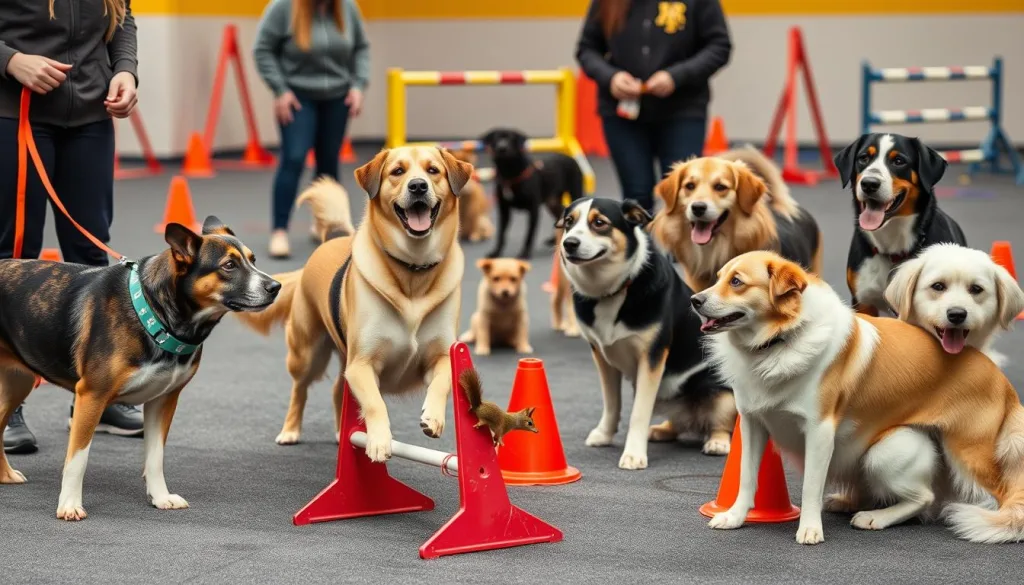
Positive reinforcement helps dogs behave well and obey. All dog behavior trainers agree that positive reinforcement is key in training.
Measuring Progress and Adjusting Training Methods
Measuring progress is key in dog training. The American Kennel Club says almost 75% of dog owners have a training plan. To check how well training is going, it’s important to set goals, track progress, and change the plan if needed. This means setting clear goals and checking progress every week.
Being flexible and adaptable in training is also important. Dr. Susan Friedman says if dogs make mistakes, it’s often because of the training, not the dog. So, trainers should use indirect methods to avoid bad behaviors until they get it right. Positive reinforcement helps dogs learn the right way and avoid mistakes.
- Time spent on training sessions
- Number of commands learned
- Frequency of correct responses
- Reduction in errors over time
Tracking these details helps trainers fine-tune their methods for better results. With consistent, positive training, dogs can learn basic and intermediate commands quickly. They can even master advanced skills in a few months.
Conclusion: Empowering Both Dogs and Owners Through Positive Training
Positive reinforcement training does more than teach dogs new tricks. It strengthens the bond between dogs and their owners. This method is based on rewarding good behavior, making it a win-win for everyone.
Training this way makes dogs learn faster and feel more confident. They start to trust their owners more, leading to a better relationship. This trust makes training easier and more effective in daily life.
By using positive reinforcement, owners and dogs can achieve great things together. This approach leads to a lifelong friendship where both feel valued and eager to learn more.
FAQ
What is positive reinforcement training, and how does it work?
How does understanding canine behavior and psychology affect dog training?
What are the different types of conditioning used in dog training, and how do they work?
Why are punishment-based training methods less effective and potentially harmful?
What are the essential elements of an effective dog training program?
How can clicker training be used as a communication tool in dog training?
How does a dog’s emotional state affect their ability to learn?
Why is building trust an essential foundation for effective dog training?
What are some common challenges in dog training, and how can they be addressed using positive reinforcement?
How can trainers measure progress and adjust their training methods as needed?
Source Links
- The Positive Reinforcement Only Propaganda – Pack Leader Dogs – https://packleaderdogs.com/the-positive-reinforcement-only-propaganda/
- What is Positive Reinforcement in Dog Training? – https://www.companionanimalpsychology.com/2017/02/what-is-positive-reinforcement-in-dog.html
- Positive reinforcement training – https://www.humanesociety.org/resources/positive-reinforcement-training
- Decoding the Canine Mind – PMC – https://pmc.ncbi.nlm.nih.gov/articles/PMC7192336/
- Canine perspective-taking – PMC – https://pmc.ncbi.nlm.nih.gov/articles/PMC9877093/
- How dogs think: Unraveling the Canine Mind. – https://olk9prescott.com/how-dogs-think-unraveling-the-canine-mind/
- No title found – https://www.akc.org/expert-advice/training/operant-conditioning-positive-reinforcement-dog-training/
- The Science Behind Positive Reinforcement Dog Training – https://www.gingrapp.com/blog/the-science-behind-positive-reinforcement-dog-training
- What Is the Difference Between Operant Conditioning and Classical Conditioning? – https://thedogwizard.com/blog/difference-between-operant-and-classical-conditioning/
- How it Works: Operant Conditioning and Classical Conditioning Explained – https://www.fenzidogsportsacademy.com/blog/operant-conditioning-and-classical-conditioning
- Aversive Dog Training Methods: The Fallout and Why It Matters — Faithfully Yours Dog Training | Jackson, MS – https://fydogtraining.com/training-tips/aversive-dog-training-methods-the-fallout-and-why-it-matters
- Why Punishment Fails in Dog Training: Positive Success Strategies Ever – https://absolute-dogs.com/blogs/gamechangers/why-punishment-fails-in-dog-training-positive-success-strategies-every-dog-needs?srsltid=AfmBOorUk_vwmN7ThgaIE8d1GvSCvnlfa5X36sj3g-u5Ob0Dk5lMKJU-
- Does training method matter? Evidence for the negative impact of aversive-based methods on companion dog welfare – https://pmc.ncbi.nlm.nih.gov/articles/PMC7743949/
- Dog Obedience Training – Four Key Elements – https://www.raisingcanine.com/2018/10/dog-obedience-training/
- How to Train a Dog – https://happydogtraining.info/general-information/how-to-train-a-dog/
- No title found – https://www.akc.org/expert-advice/training/clicker-training-your-dog-mark-and-reward/
- How to Use Clicker Training for Effective Dog Communication • Cloud Star – https://cloudstar.com/how-to-use-clicker-training-for-effective-dog-communication/
- My Dog’s Emotional State: Crucial to Training – eileenanddogs – https://eileenanddogs.com/blog/2018/11/12/dogs-emotions/
- Training a Behavior vs. Changing an Emotion: What All Dog Owners Need to Know – https://www.3lostdogs.com/training-a-behavior-vs-changing-an-emotion-what-all-dog-owners-need-to-know/
- Build Your Dog Up! – https://happydogtraining.info/advice/build-your-dog-up/
- How to Build Trust With Your Dog – https://www.zoetispetcare.com/blog/article/how-build-trust-dog
- Common Dog Behavior Problems and How Dog Training Can Help Solve Them – https://www.petpalaceresort.com/common-dog-behavior-problems-and-how-dog-training-can-help-solve-them/
- Trainer tips for 5 common dog training challenges – https://spca.bc.ca/news/solve-dog-training-problems/
- Creating a Dog Training Plan: Guide & Practical Tips | Weave – https://www.getweave.com/dog-training-plan/
- Training method comparison – Gun Dog Forum – http://gundogforum.com/forum/viewtopic.php?t=53886
- Podcast #179: More Strategies to Reduce Errors – https://hannahbranigan.dog/podcast/179/
- Empowering Owners Through Positive Reinforcement Dog Training in Hamilton – https://k9principles.ca/2024/06/03/empowering-owners-through-positive-reinforcement-dog-training-in-hamilton/
- A Story of Love and Positive Reinforcement Dog Training : Four Legged Scholars – https://fourleggedscholars.com/blog/2009/08/07/weekly-dog-training-tip-a-story-of-love-and-positive-reinforcement-dog-training-aug-8th/